
Equity Release What Happens When You Die

So, I was chatting with my grandma the other day, and she was telling me about her friend, Mabel, who just moved into a retirement home. Now, Mabel's house is this gorgeous, old Victorian place, and she's been living there for what feels like forever. But here's the thing, Mabel's kids have been nagging her to sell the house and move into something smaller, something they can 'manage' when she's gone. But Mabel, she's a tough cookie, she's not having any of it. That's when she told them about this thing called 'equity release'.
Now, I'm no financial whizz, but I've heard the term before. So, I thought, why not dive into it and see what this equity release is all about, especially when it comes to what happens when you, well, kick the bucket. You with me so far? Let's get into it.
What's Equity Release, Anyway?
Alright, so in simple terms, equity release is like a loan that you take against your home's value. It's a way for homeowners, especially those who are older, to access the money tied up in their property. It's a win-win, really. You get to stay in your home, and you get some extra cash to spend on whatever you want. But here's where it gets interesting, you don't have to pay it back until you die or move into long-term care.
Must Read
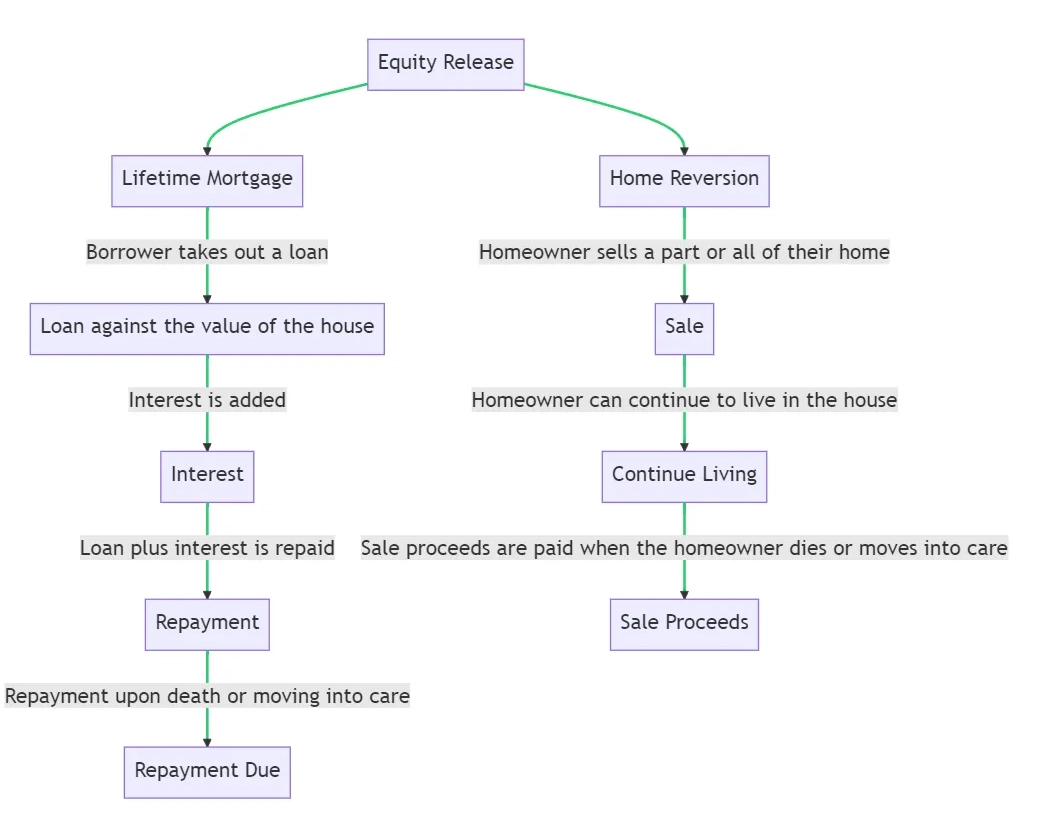
There are two main types of equity release plans: Lifetime Mortgages and Home Reversion Plans. Lifetime Mortgages are the most common. You take out a loan secured against your home, and you don't have to make any repayments. The loan, plus interest, is repaid when your home is sold after your death or when you move into long-term care. Home Reversion Plans, on the other hand, involve selling part or all of your home to a provider for less than its market value. You continue to live in the property, rent-free, until you die or move into long-term care.
So, What Happens When You Die?
Alright, let's get to the nitty-gritty. When you die, or move into long-term care, your home is sold, and the money from the sale goes towards repaying the equity release scheme. If there's any money left over after the loan is repaid, it goes to your estate, and then it's distributed according to your will.
But here's where it gets a bit tricky. If you've taken out a Lifetime Mortgage, the interest can build up over time, and it can significantly reduce the amount of money left for your loved ones. It's not uncommon for the debt to exceed the value of the property, which means there's nothing left for your family. It's a bit like a reverse inheritance, if you will. But don't worry, I'll get into how to avoid this later.
Now, if you're thinking, 'Well, that's not so bad. I'll just leave my home to my kids, and they can deal with it,' you might want to think again. If you haven't planned properly, your family could be left with a hefty inheritance tax bill. But more on that later too.
How to Protect Your Family
Alright, so you've decided to go ahead with equity release, but you want to make sure your family is protected. There are a few things you can do:
- No Negative Equity Guarantee: Most equity release plans come with this guarantee. It means that even if the debt exceeds the value of your home, your family won't have to pay the difference.
- Inheritance Protection: Some plans allow you to protect a percentage of your home's value for your beneficiaries. This means that even if the debt grows, your family will still inherit that protected percentage.
- Regular Reviews: It's a good idea to review your equity release plan regularly. This can help you keep an eye on the debt and make sure it's not growing too quickly.
And remember, it's always a good idea to talk to your family about your plans. It's their inheritance, after all, and they deserve to know what's going on.
Inheritance Tax: The Elephant in the Room
Alright, let's talk about the elephant in the room. Equity release can have a big impact on inheritance tax. When you take out an equity release plan, the value of your estate decreases by the amount of the loan. But here's the thing, the interest on the loan isn't tax-deductible, so it's still included in the value of your estate for inheritance tax purposes.
Let's say you take out a £50,000 loan with a 5% interest rate. After 10 years, the debt has grown to £82,353. That's a big chunk of your estate that your family will have to pay inheritance tax on. And if you're thinking, 'Well, I'll just give my home away before I die,' think again. If you give away assets within seven years of your death, they're still included in your estate for inheritance tax purposes.
But don't worry, there are ways to mitigate inheritance tax. You could consider setting up a trust, or you could make gifts to your family while you're still alive. But remember, this is a complex area, and it's always a good idea to talk to a professional.

Is Equity Release Right for You?
Alright, so we've talked about what happens when you die, and we've talked about how to protect your family. But is equity release right for you? Well, that depends on your personal circumstances. If you're a homeowner aged 55 or over, and you need some extra cash, it could be a good option. But it's not a decision to be taken lightly.
You need to consider your personal circumstances, your family's needs, and your long-term plans. You also need to understand the risks and the costs involved. It's a good idea to talk to an independent financial advisor, and to your family too. After all, it's their inheritance we're talking about.
And remember, equity release isn't a one-size-fits-all solution. There are different types of plans, and different providers, so it's important to do your research. The Equity Release Council is a good place to start. They have a code of conduct that all their members follow, and they can provide you with independent advice.
So, there you have it. Equity release can be a lifeline for homeowners who need some extra cash, but it's not without its risks. It's a complex area, and it's important to understand what you're getting into. But with the right planning, and the right advice, you can make sure that equity release works for you, and for your family.
And who knows, maybe Mabel will still be living in her gorgeous Victorian house when she's 100. Stranger things have happened, right?