
How To Find Client Id For Ga Gateway
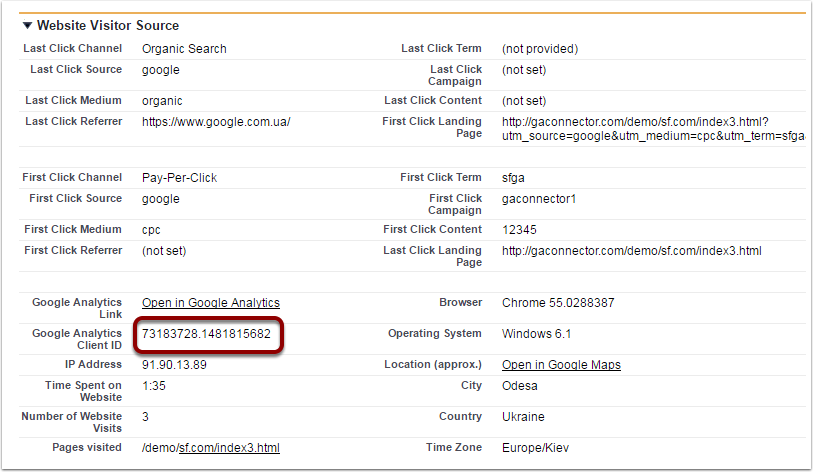
Hey there, tech-savvy friend! Let's chat about something that's been bugging you, huh? You're trying to wrangle with Google Analytics (GA) Gateway, and you're like, "Where's my Client ID? I need it, like, yesterday!" Well, grab a coffee, get comfy, and let's find that sneaky little number together.
First Things First: What's a Client ID?
Alright, so before we go on a wild goose chase, let's make sure we're on the same page. Your Client ID is like GA's way of keeping track of your website's visitors. It's a unique identifier that helps GA understand who's who and what's what. Now that we've got that straight, let's dive in!
Where to Look: The GA Debugger
First stop on our journey is the GA Debugger. This nifty tool is like GA's little helper, always ready to lend a hand. To find it, just pop open your browser's developer tools (that's Ctrl + Shift + I on most keyboards), then click on the "Network" tab. See that "GA Debugger" option? Click it, and voila! You're one step closer to finding your Client ID.
Must Read
Now, here's where it gets a little tricky. The GA Debugger shows you a whole bunch of stuff, and it can be a bit overwhelming. Don't worry, we'll navigate this together. Look for something that says "hitCallback" - that's where your Client ID is hiding.
Still can't see it? Let me give you a little hint. Your Client ID looks something like this: ga:clientId. It's usually a string of numbers and letters, like 123456789.123456789. Once you spot it, you can breathe a sigh of relief - you've found your Client ID!

What If I Can't Find It?
Alright, so maybe you've looked and looked, but your Client ID is still playing hide and seek. Don't panic! There are a couple of other places you can check.
First, make sure you've got the GA tracking code on your website. It should look something like this:
<script async src="https://www.googletagmanager.com/gtag/js?id=GA_TRACKING_ID"></script>
<script>
  window.dataLayer = window.dataLayer || [];
  function gtag(){dataLayer.push(arguments);}
  gtag('js', new Date());

  gtag('config', 'GA_TRACKING_ID');
</script>
Replace GA_TRACKING_ID with your actual GA tracking ID. If that's all there, then it's time to check if your GA code is firing correctly. You can use the GA DebugView extension for Chrome to help with that.

And That's a Wrap!
Congratulations, you've just found your Client ID! Wasn't so hard, was it? Now that you've got it, you can use it to create custom dimensions, improve your analytics, and make your website even better.
Remember, finding your Client ID is just the beginning. The real fun is in using it to understand your visitors better and make data-driven decisions. So go on, give yourself a pat on the back, and keep exploring the wonderful world of GA!
And hey, if you ever get stuck again, you know where to find me. Happy tracking!