
How To Link Eshop To A System
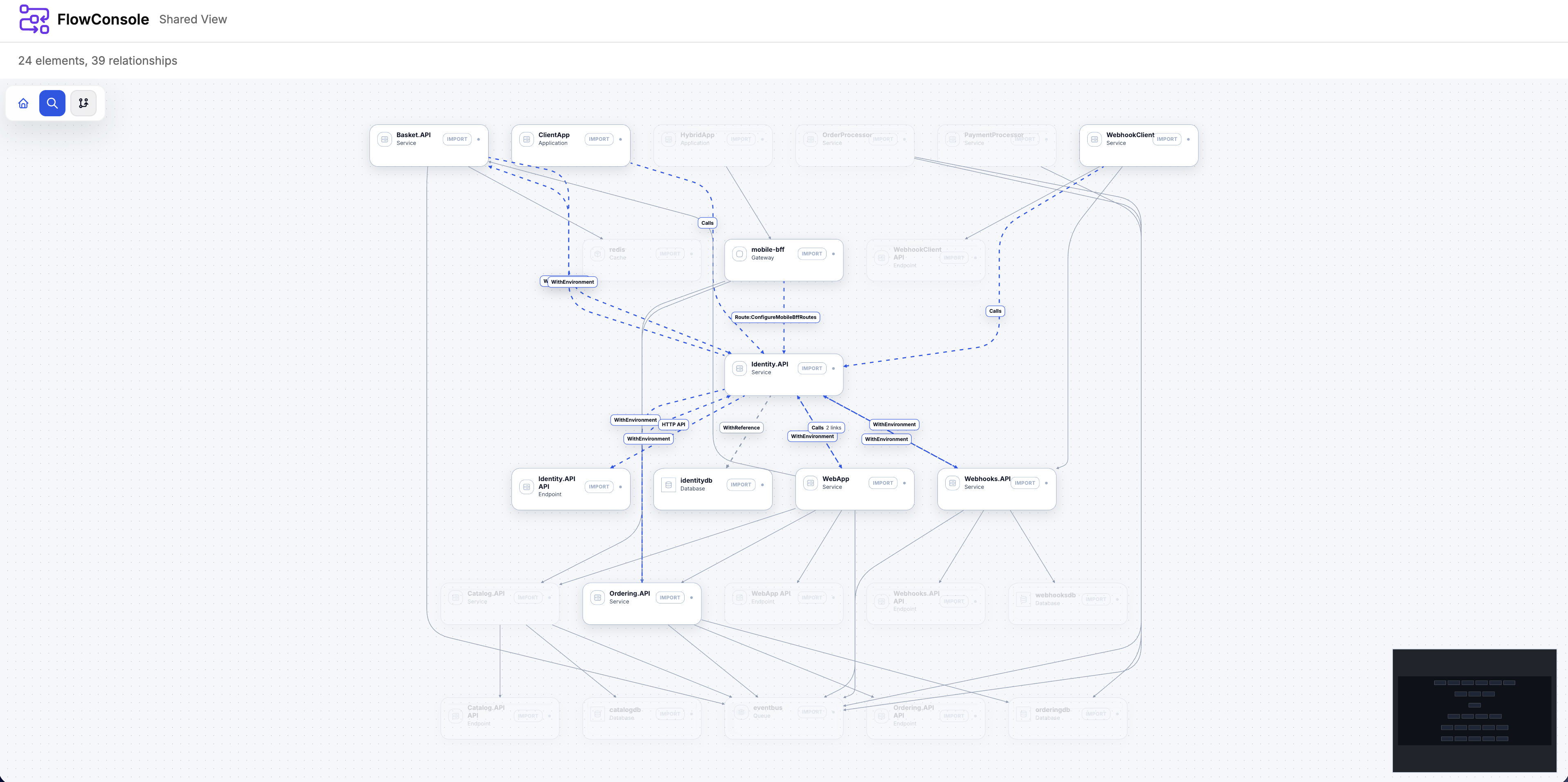
Alright, gather 'round, folks. I've got a tale to tell about something as magical as it is mundane - linking your trusty eShop to a system. Now, don't go rolling your eyes, this isn't your average techno-babble. I promise there'll be laughs, gasps, and maybe even a bad joke or two.
First things first, what's an eShop?
Imagine you're at a bustling market, but instead of stalls, you've got a website. And instead of shouting "Get your fresh produce here!", you're sending emails saying, "Click here to buy your organic kale!" That, my friends, is an eShop. It's your online store, your digital marketplace, your cyber-bazaar.
Now, what's this 'system' you're talking about?
Well, imagine your eShop is a fancy new car. The 'system' is the road it drives on. It could be a smooth, well-paved highway (like a reliable hosting service), or it could be a bumpy, potholed backroad (like your cousin's dodgy server under his bed).
Must Read
Let's get this show on the road!
First, you need to decide what kind of 'system' you want. Are you a 'DIY' kind of person? Then you might want to set up your own server. It's like building your own car from scratch - rewarding, but also a bit of a headache. Or, you could be more of a 'plug and play' person, in which case, a hosted solution might be your jam.
Once you've chosen your system, it's time to link your eShop. This is where things can get a bit... interesting. Imagine you're trying to connect two pipes - one from your eShop (the water fountain), and one from your system (the water supply). If they don't fit, you're in for a leaky mess. So, you need to make sure your eShop and your system speak the same language.
Enter: APIs, the universal language of eCommerce.
API stands for 'As Parrot Insists' - no, wait, that's not right. It's 'Application Programming Interface'. It's like a translator that helps your eShop and your system understand each other. And the best part? Most eShop platforms come with built-in APIs, ready to chat away.
Now, let's talk about integration.
Integration is like introducing your eShop to your system. You want them to get along, maybe even become best buddies. This is where you'll set up your products, your inventory, your customer data - all the nitty-gritty details that make your eShop tick.
Think of it like moving into a new house. You've got your furniture (your products), your utilities (your system's features), and your decor (your eShop's design). You want everything to fit nicely, right? That's integration in a nutshell.
But what about security? I don't want my data getting stolen!
Valid concern, my friend. You wouldn't want your eShop's data ending up in the wrong hands, like your secret recipe for grandma's apple pie. To keep your data safe, you'll need to secure your APIs with authentication and encryption. It's like giving your pipes a secret password and a fancy lock - only the right people can get in.

Testing, testing, 1, 2, 3...
Before you launch your eShop into the big, wide world, you need to test everything. Click around, add stuff to your cart, check out - make sure everything works like a charm. It's like doing a dress rehearsal before the big show. You don't want any wardrobe malfunctions, do you?
And there you have it, folks! Linking your eShop to a system isn't as scary as it sounds. It's just a matter of finding the right fit, learning a new language, making some introductions, and doing a bit of testing. And remember, if all else fails, there's always duct tape. (Metaphorically speaking, of course.)
Now, who's ready to get their eShop driving on the open road?